
Minggu, 09 Maret 2025 09:35 PM WIB

Fishing stands as one of humanity’s most enduring practices, woven into the fabric of survival, spirituality, and storytelling across civilizations. From prehistoric stone hooks buried in ancient coastal sites to the digital casting of virtual lures, fishing’s journey reflects both technological progress and timeless human engagement. This evolution from ancient nets to modern games reveals deeper patterns in how we interact with nature—structured not just by tools, but by meaning, patience, and cultural identity. As we explore this transformation, the echoes of ancient fishing traditions resonate clearly within today’s interactive experiences, bridging past rituals with present play.
The physical act of fishing—casting a line, waiting for a strike, reeling in a catch—has inspired core mechanics in fishing games. Early arcade titles like Fishing for Treasures mirrored the ritual of casting by requiring precise timing and spatial awareness. Modern games expand this with physics-based lures and dynamic water interactions, transforming the simple cast into a strategic act of prediction and control. The fundamental tension between effort and reward—central to ancient fishing’s spiritual and communal significance—persists in digital gameplay, where patience and skill determine success. This continuity illustrates how core human behaviors, embedded in ancient practices, shape meaningful game design.
Fishing traditions vary widely across cultures, and these differences profoundly influence game narratives and mechanics. In Japan, the ritual of ikari-bori—a meticulous hand-casting technique—inspires games emphasizing precision and harmony with nature, such as Shogun’s Trap. Contrastingly, the communal net-fishing rituals of Scandinavian coastal communities inform cooperative multiplayer modes, where shared effort determines yield. Indigenous North American tribes’ deep spiritual connection to rivers and lakes appears in narrative-driven games that emphasize respect for ecosystems. These regional legacies enrich game worlds with authentic flavor, grounding digital play in real-world diversity and cultural depth.
Ancient fishing demanded patience—waiting hours by still waters, reading subtle currents, and adapting to seasonal rhythms. These behaviors mirror the deliberate pacing in modern fishing games, where waiting for the right moment to cast or strike transforms gameplay into a meditative act. Psychological studies show that games incorporating extended patience and strategic decision-making generate deeper player engagement and satisfaction. Mechanisms like variable reward schedules, influenced by ancient fishing’s unpredictability, keep players invested. Thus, the quiet discipline of early anglers directly informs the emotional architecture of today’s interactive fishing adventures.
Myths surrounding fishing—such as the Japanese legend of the Ramen-tsuki fish, a spirit that tests the angler’s heart—resurface as powerful narrative drivers in modern games. Titles like Deep Sea Chronicles integrate folklore with quest-driven storytelling, where players confront mythical beings tied to ancient fishing rites. These stories do more than entertain—they preserve cultural wisdom and deepen immersion by linking gameplay to symbolic meaning. The recurring themes of transformation, sacrifice, and communion with nature elevate digital fishing games beyond simulation, transforming them into living myths shaped by ancestral wisdom.
“Fishing is not merely a means to catch fish—it is a ritual of presence, a dialogue with the deep, and a mirror of human perseverance.” — Anonymized Indigenous Wisdom
Modern fishing games increasingly seek to honor the cultural depth of ancient practices. Developers incorporate authentic tools, regional myths, and traditional seating arrangements—like the Japanese tsukebori posture—into game environments. Titles such as Ocean’s Heart go beyond visual fidelity, embedding rituals and seasonal cycles reflective of real-world fishing communities. This respect for heritage transforms gameplay into a meaningful cultural experience, fostering appreciation and awareness. By balancing innovation with authenticity, games become bridges between past wisdom and future play.
From stone hooks to virtual reality, fishing games embody a continuous thread—connecting humanity’s ancestral reverence for water and patience with cutting-edge interaction. The evolution from ancient nets to digital casting reveals more than technological progress; it reflects our enduring relationship with nature, storytelling, and shared strategy. As game design advances, integrating deep cultural insights ensures that these virtual waters remain rooted in truth. The quiet wisdom of ancient anglers continues to shape immersive, meaningful play—proving that the best innovations honor the past they inherit.
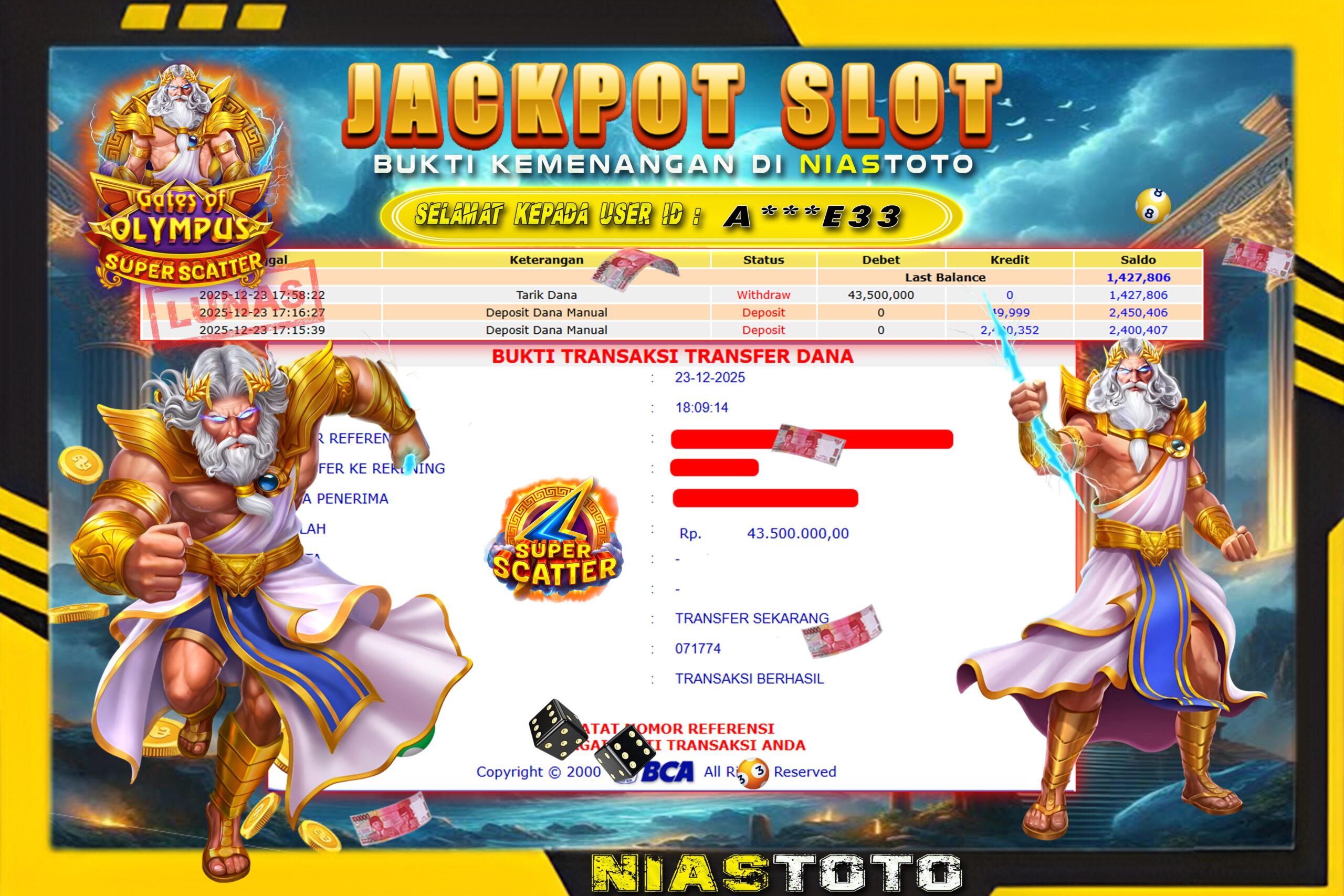
Selasa, 23 Desember 2025
BUKTI PEMBAYARAN JP NIASTOTO 23 NOVEMBER 2025 ========================================================================================== SELAMAT UNTU . . .
Read More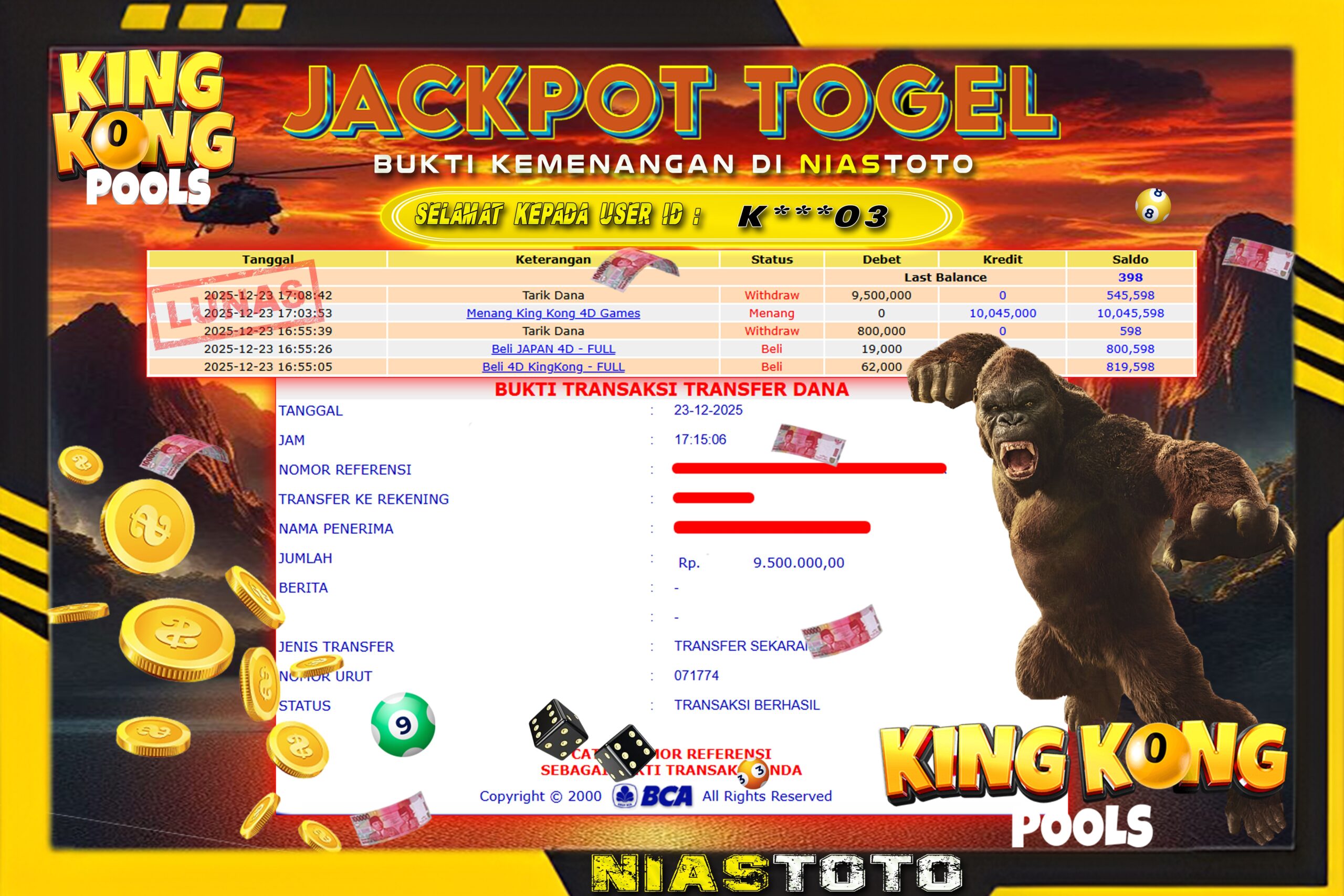
Selasa, 23 Desember 2025
BUKTI PEMBAYARAN JP NIASTOTO 23 NOVEMBER 2025 ========================================================================================== SELAMAT UNTU . . .
Read More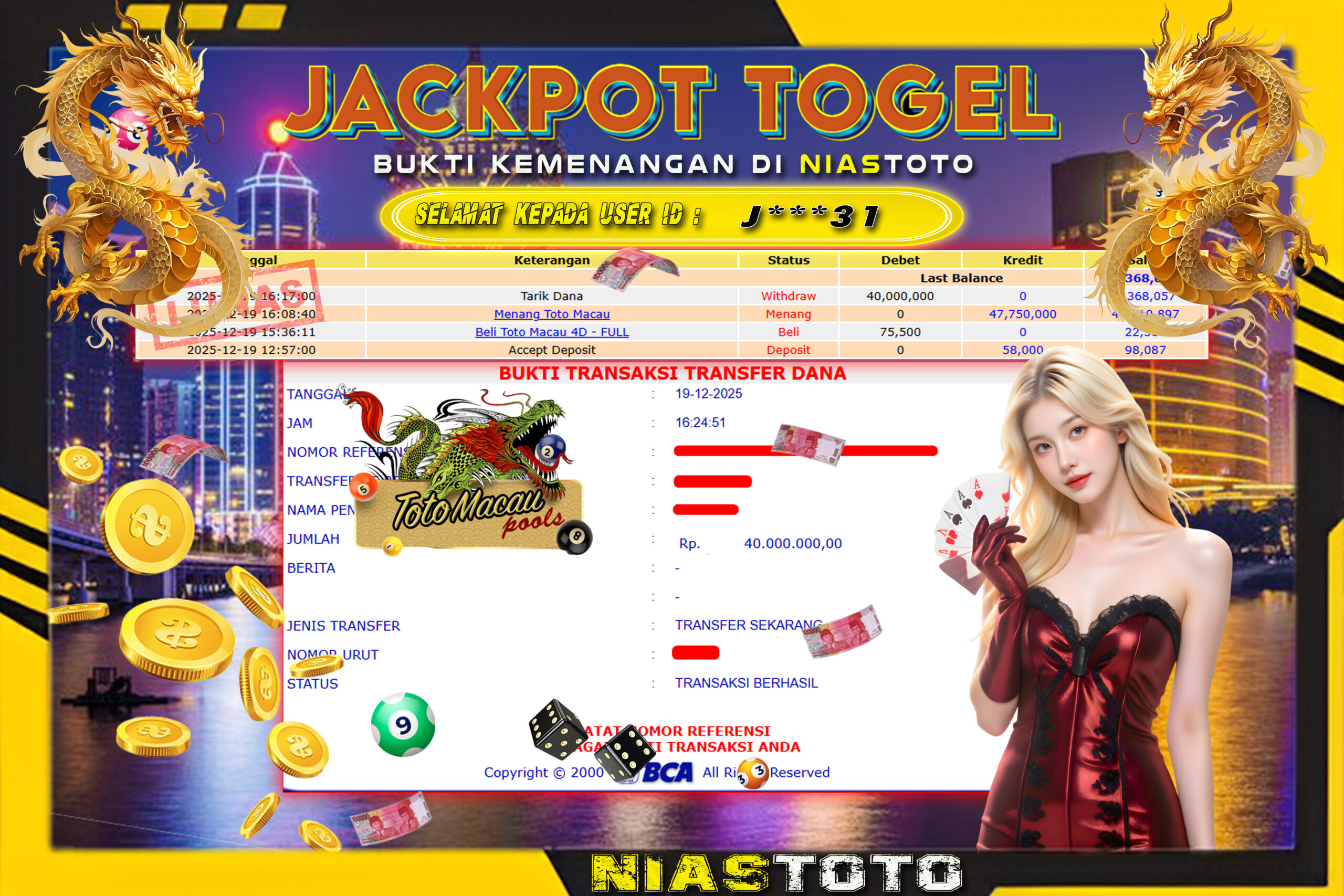
Jumat, 19 Desember 2025
BUKTI PEMBAYARAN JP NIASTOTO 19 NOVEMBER 2025 ========================================================================================== SELAMAT UNTU . . .
Read More